The 1,700-year-old marble sarcophagus bears a mythological scene of Dionysus and Heracles in a drinking contest This impressive find was unearthed in an Israel Antiquities Authority excavation initiated by the Caesarea development Corp
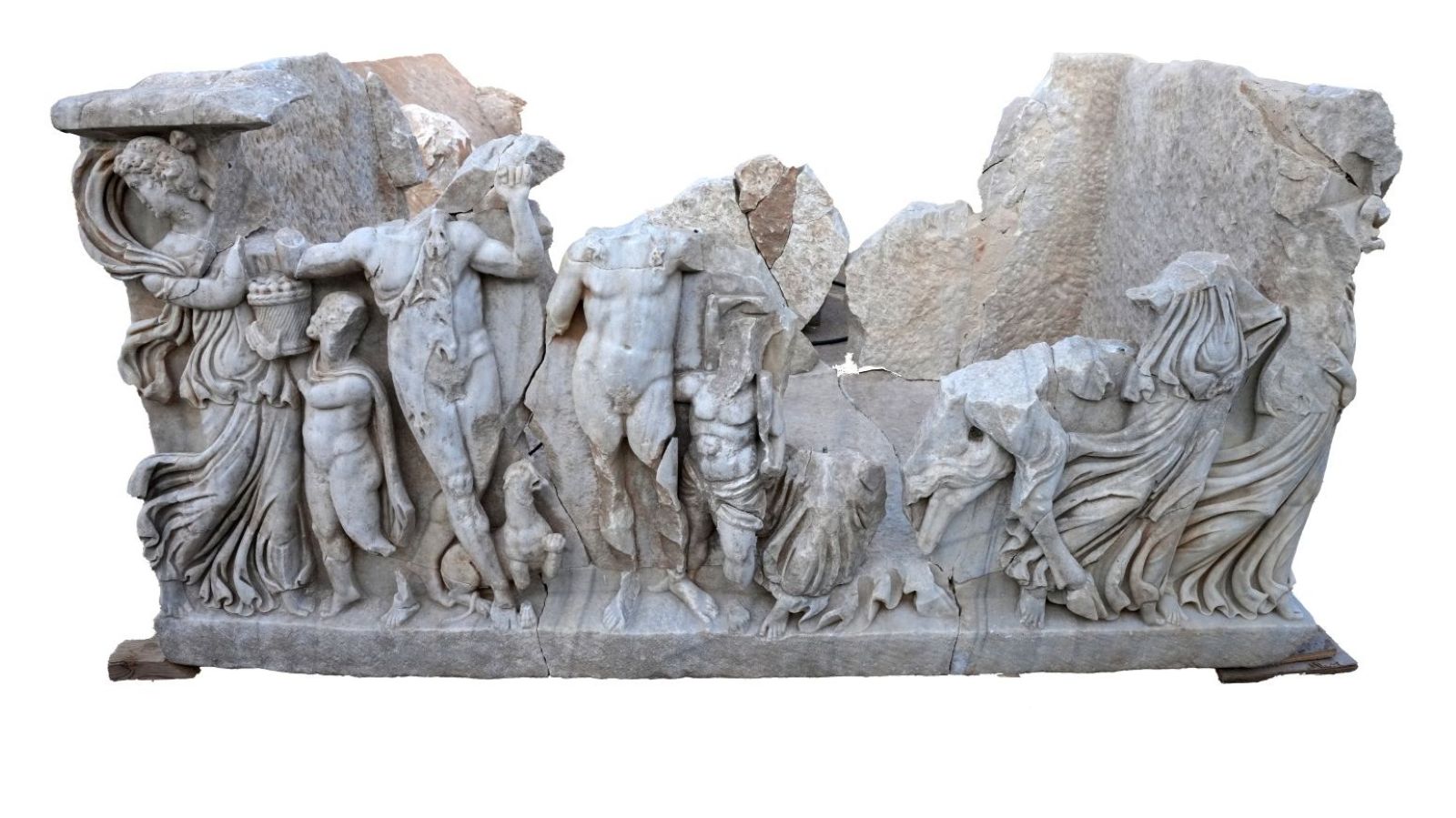
A spectacular find, and the first of its kind in Israel: In archaeological excavations conducted by the Israel Antiquities Authority at the initiative of Caesarea development Corp., a Roman period marble sarcophagus (coffin) was uncovered, upon which was sculpted a special scene of the drinking contest between Dionysus (or Bacchus), the god of wine, and Heracles (Hercules), the mythological hero.
The discovery will be presented on Thursday, June 12, 2025 in a lecture at "The Feast" conference to be held at the Eretz Israel Museum in Tel Aviv, in collaboration with the Israel Antiquities Authority, Tel Aviv University, and Bar Ilan University.
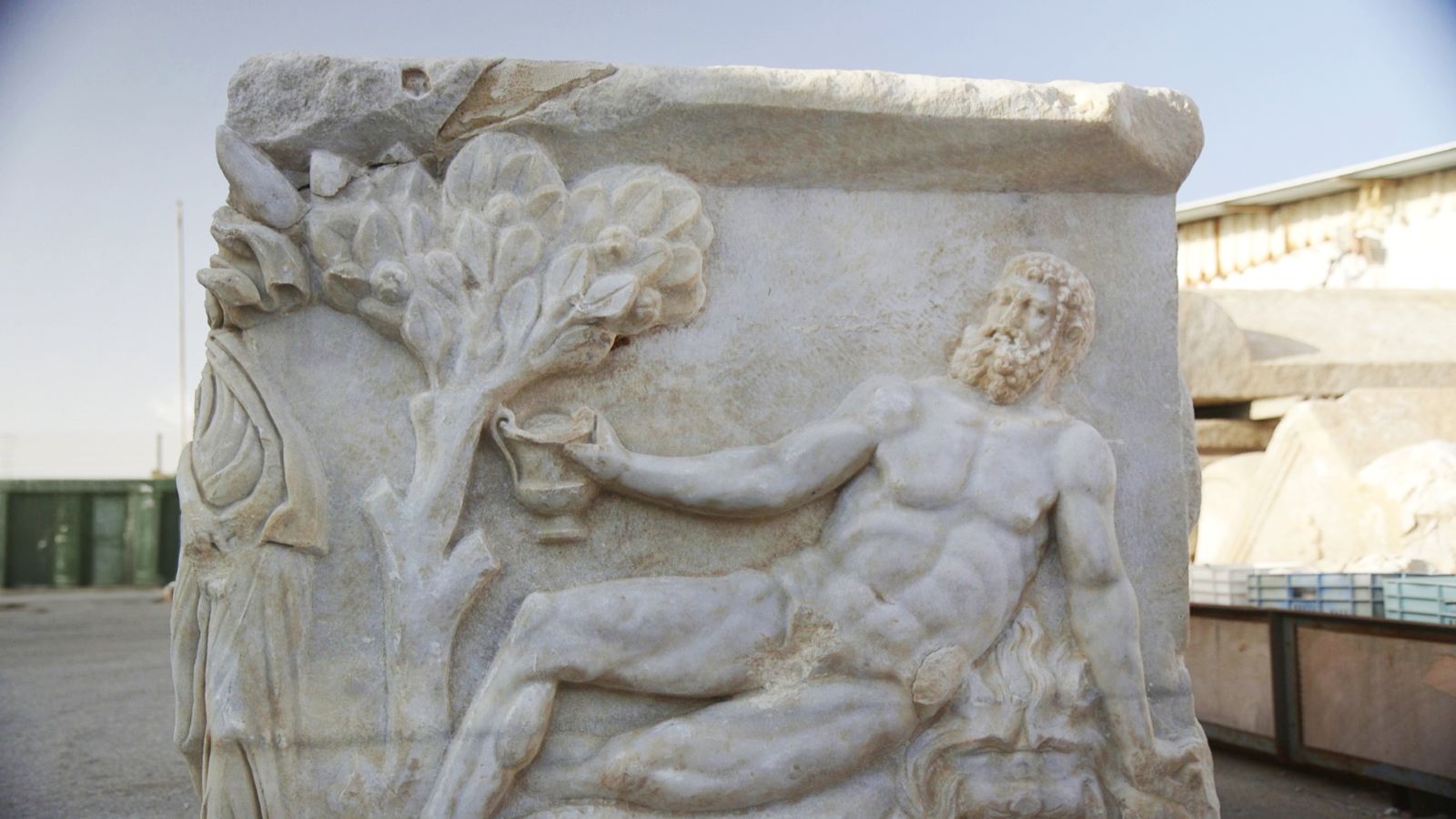
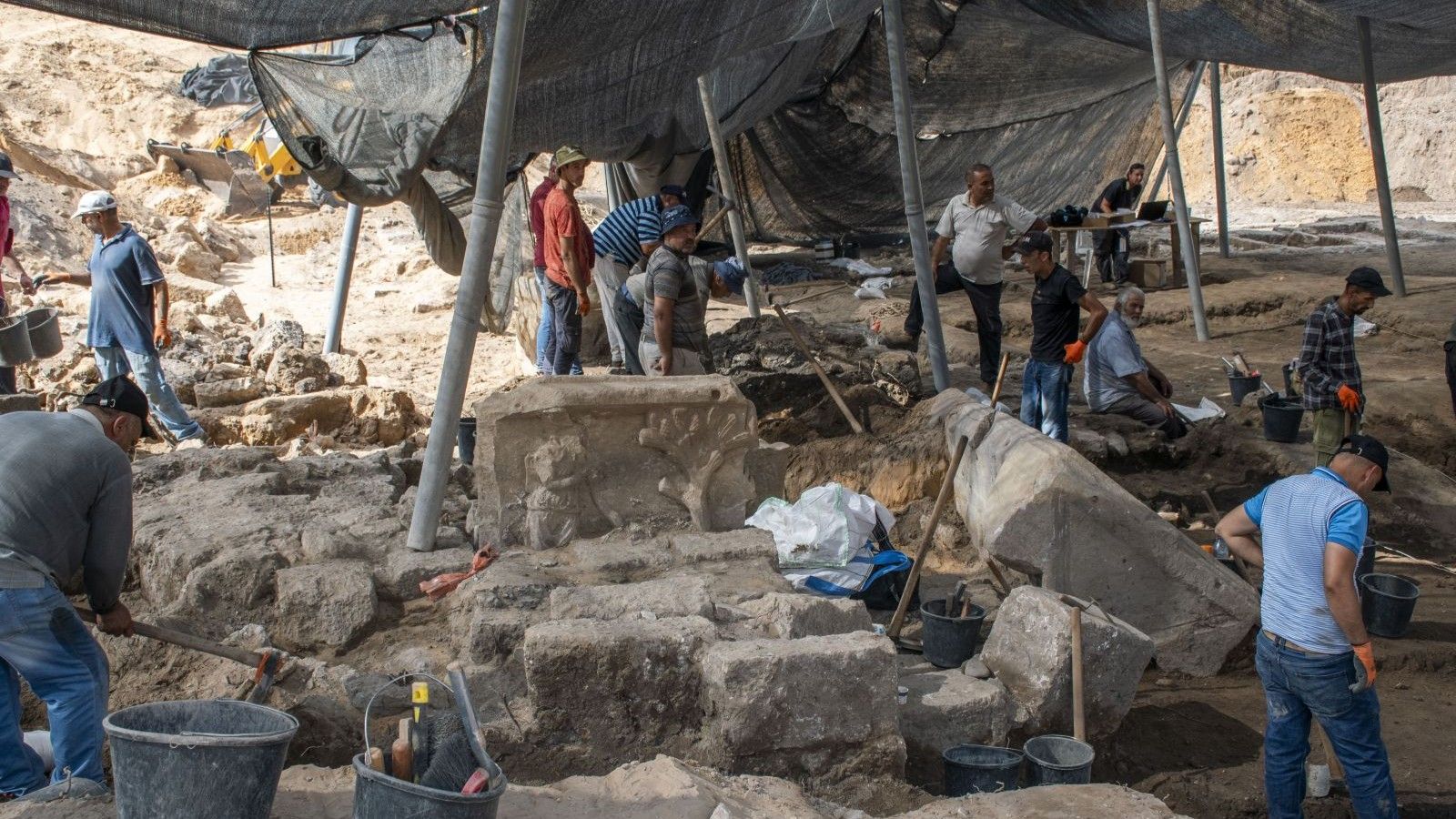
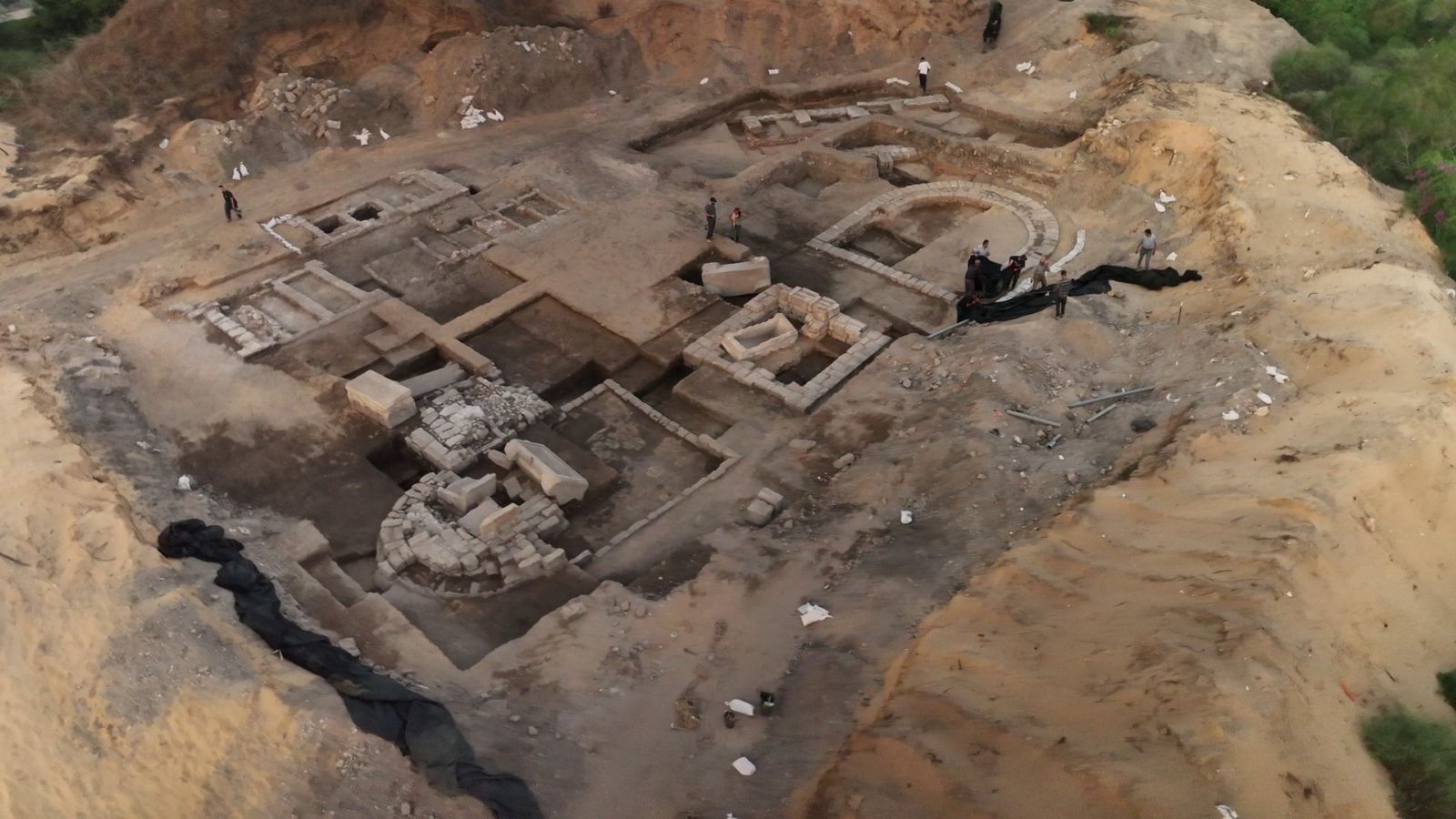
"It was like a scene out of a movie," say Nohar Shahar and Shani Amit, Israel Antiquities Authority archaeologists . "We began removing the soft, light sand of the dune, when suddenly the tip of a marble object popped up. The entire excavation team stood around excitedly, and as we cleared more sand, we couldn't believe what we were seeing – parts of a sarcophagus, upon which figures were carved: gods, animals, and trees. Each uncovered fragment was more impressive than the one before. In fact, in the very last hour of the excavation came the climax – an entire intact side of the sarcophagus, which was buried in the sand, was uncovered, which portrays the scene of Hercules lying on a lion skin, holding a cup in his hand.”
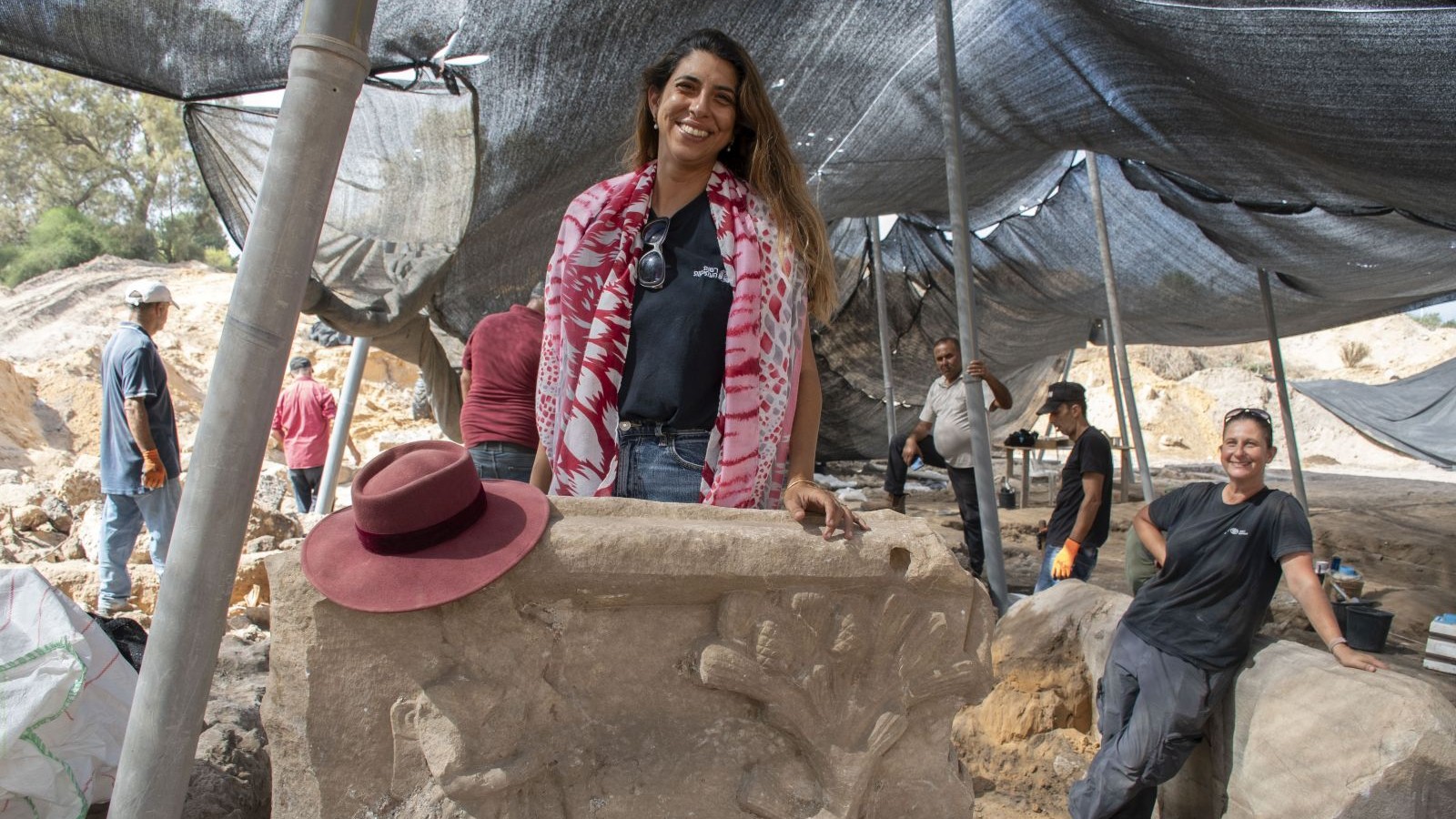
The broken sarcophagus was handed over to the experts of the Israel Antiquities Authority's conservation team. There, conservators Solomon Gavriel, Ilya Armanovsky and Gadmo Vajpo , together with architect Ido Rosental , worked on restoring, cleaning and assembling the parts. Thanks to the restoration, the scenes have been fully revealed: In the center we see Dionysus, the god of wine, and around him a lively retinue of a host of mythological characters such as Maenads (female followers of Dionysus), satyrs, Hermes, Pan, lions and tigers.
"This is the very first time we find the Dionysus and Hercules wine competition scene on a burial coffin in our region," says Nohar Shahar. "While processions of the wine god Dionysus are a familiar motif in 2nd and 3rd centuries CE sarcophagi, yet this particular drinking contest scene - a familiar Roman art motif, is known to us here primarily in mosaics - such as those discovered in Zippori and Antioch. In this case, it seems that the figures are not only celebrating - they are in fact accompanying the dead on his last journey, when drinking and dancing are transformed into a symbol of liberation and transition to life in the next world. This sarcophagus offers an unusual perspective of the idea of death - not as an end, but as the beginning of a new path."
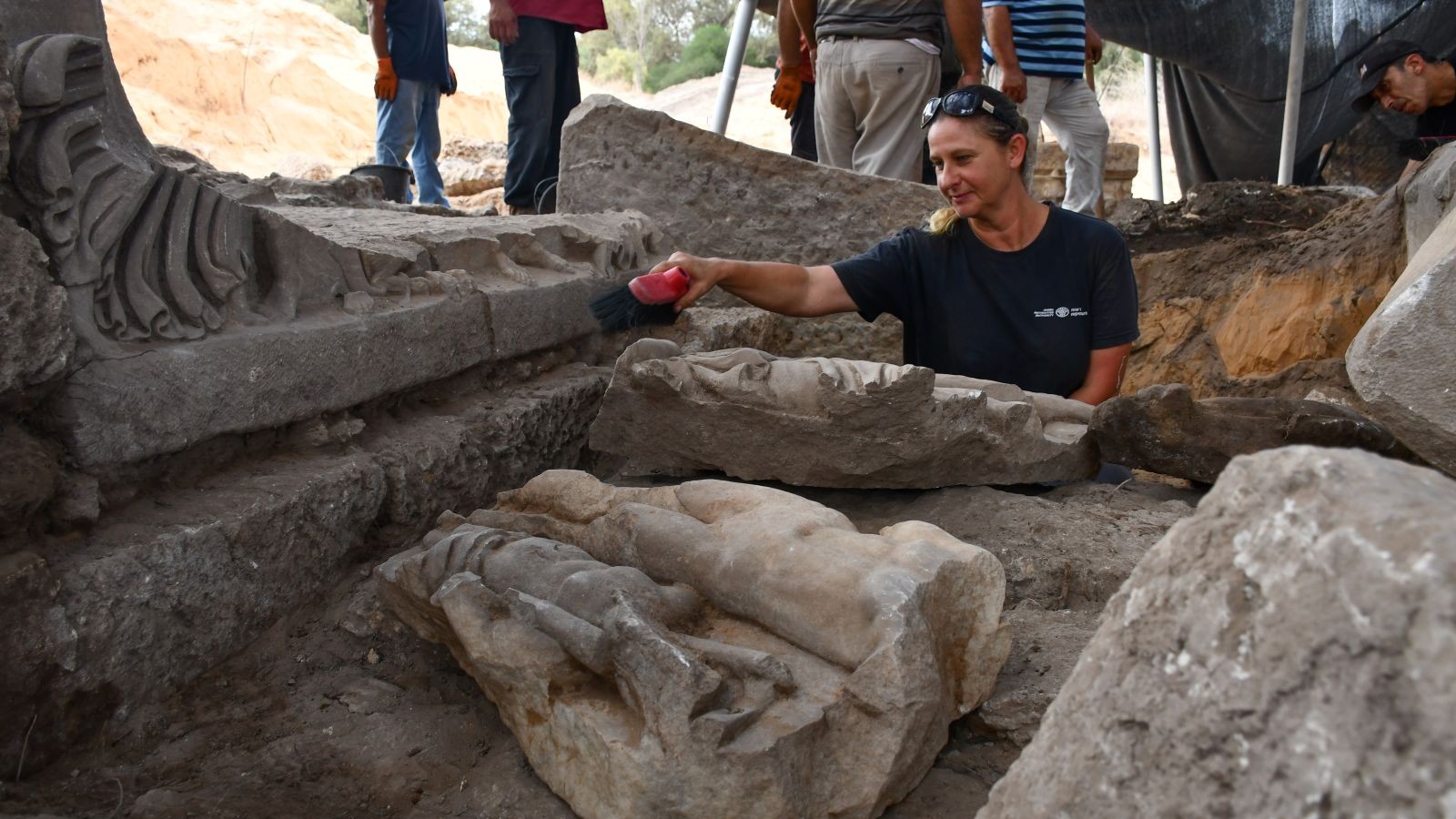
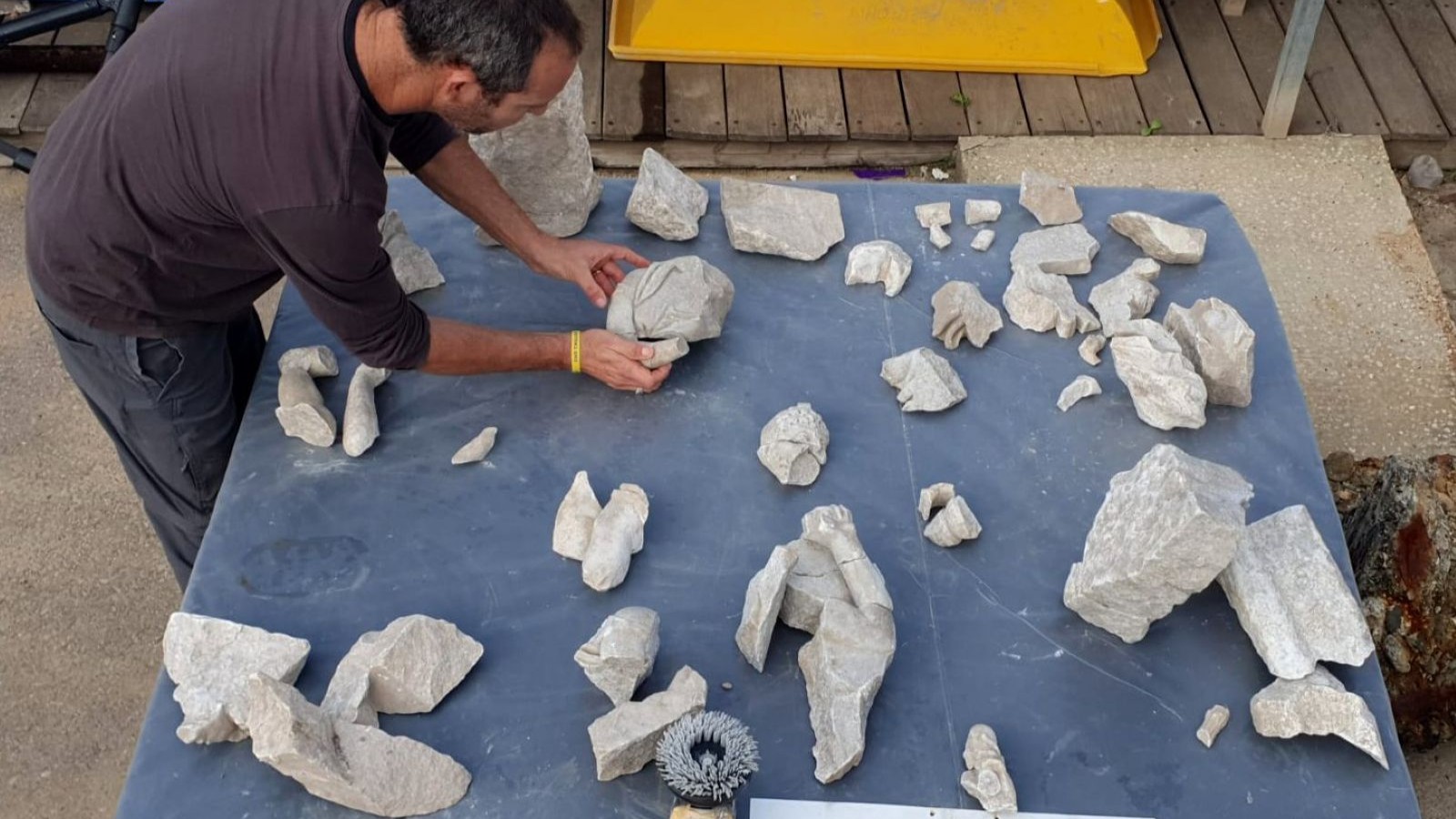
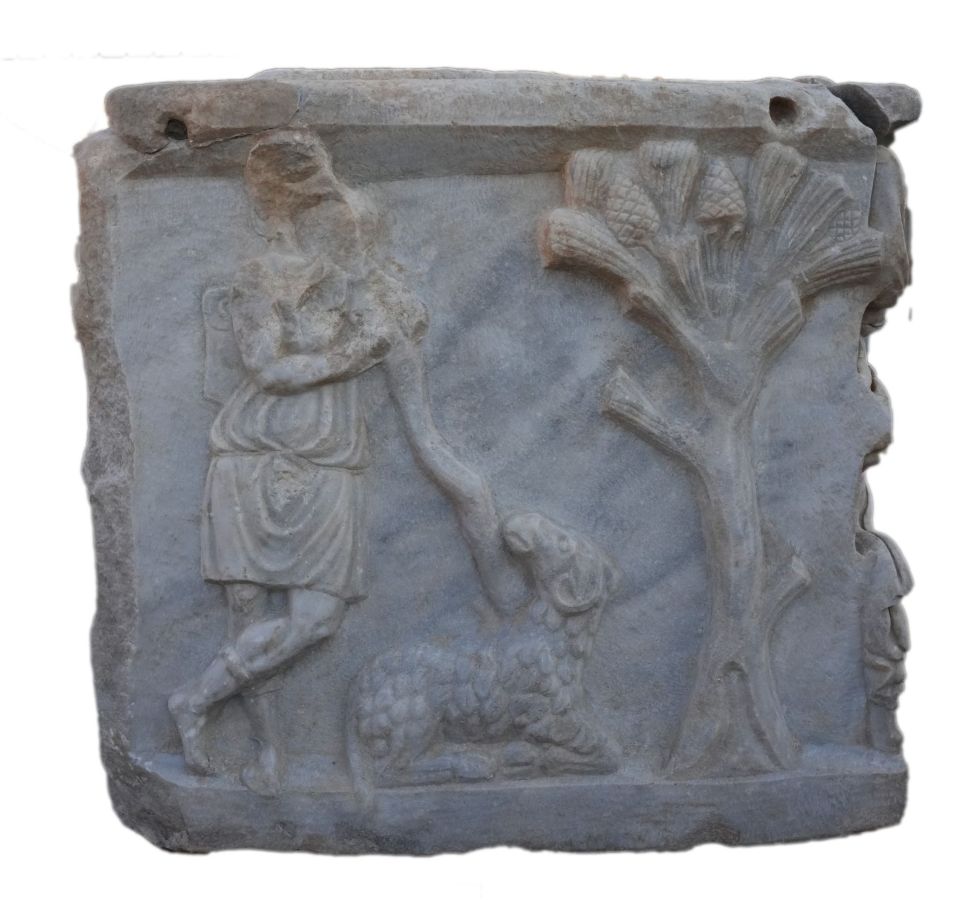
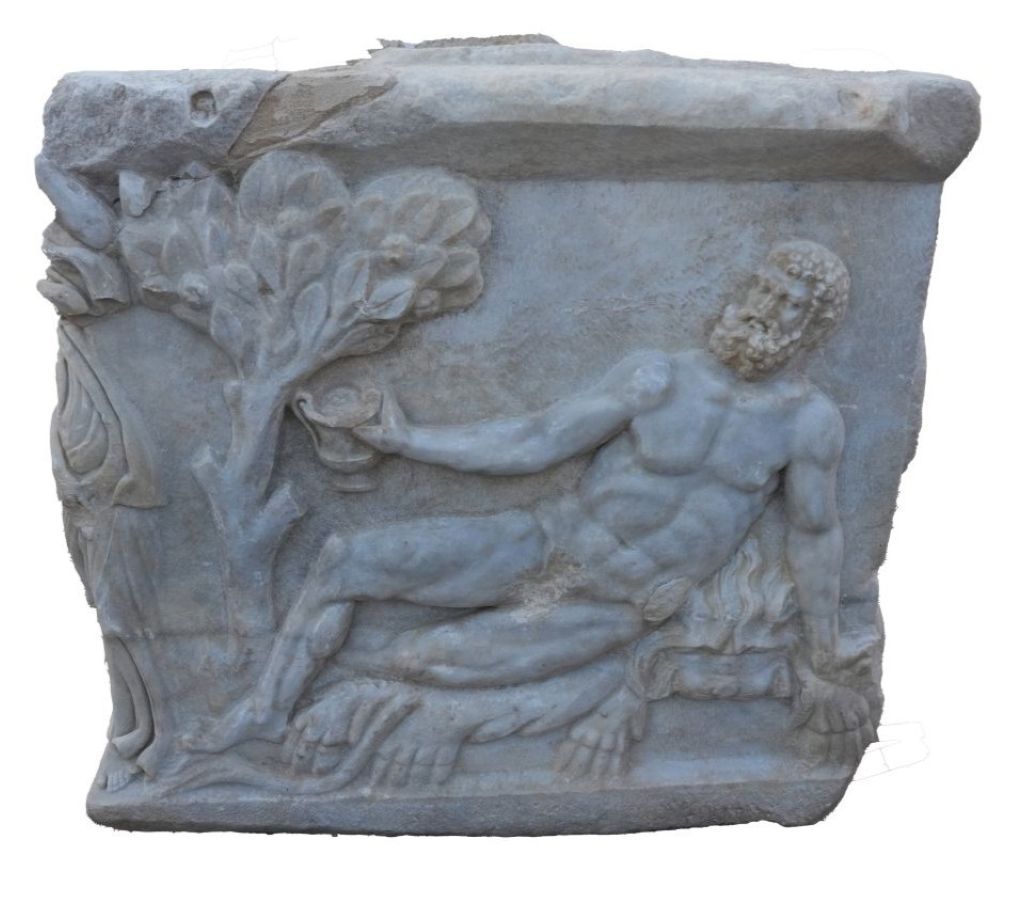
And who won the drinking contest? "Hercules' condition, depicted on the sarcophagus as someone who is no longer able to stand, points to the obvious answer: Dionysus," says Shahar.
"The sarcophagus was found within an area where archaeological remains were found outside the well-known walls of Caesarea," adds the researcher. "This means that the space leading into it was actually much wider and thus richer in finds than we thought until now."
According to Eli Escusido, Director of the Israel Antiquities Authority , "This is a thought-provoking discovery reflecting how life and faith were perceived in the Roman world. The sarcophagus is undergoing a meticulous conservation process, which upon completion will enable it to be presented to the general public as part of our commitment to making the country's past heritage accessible."

No comments:
Post a Comment